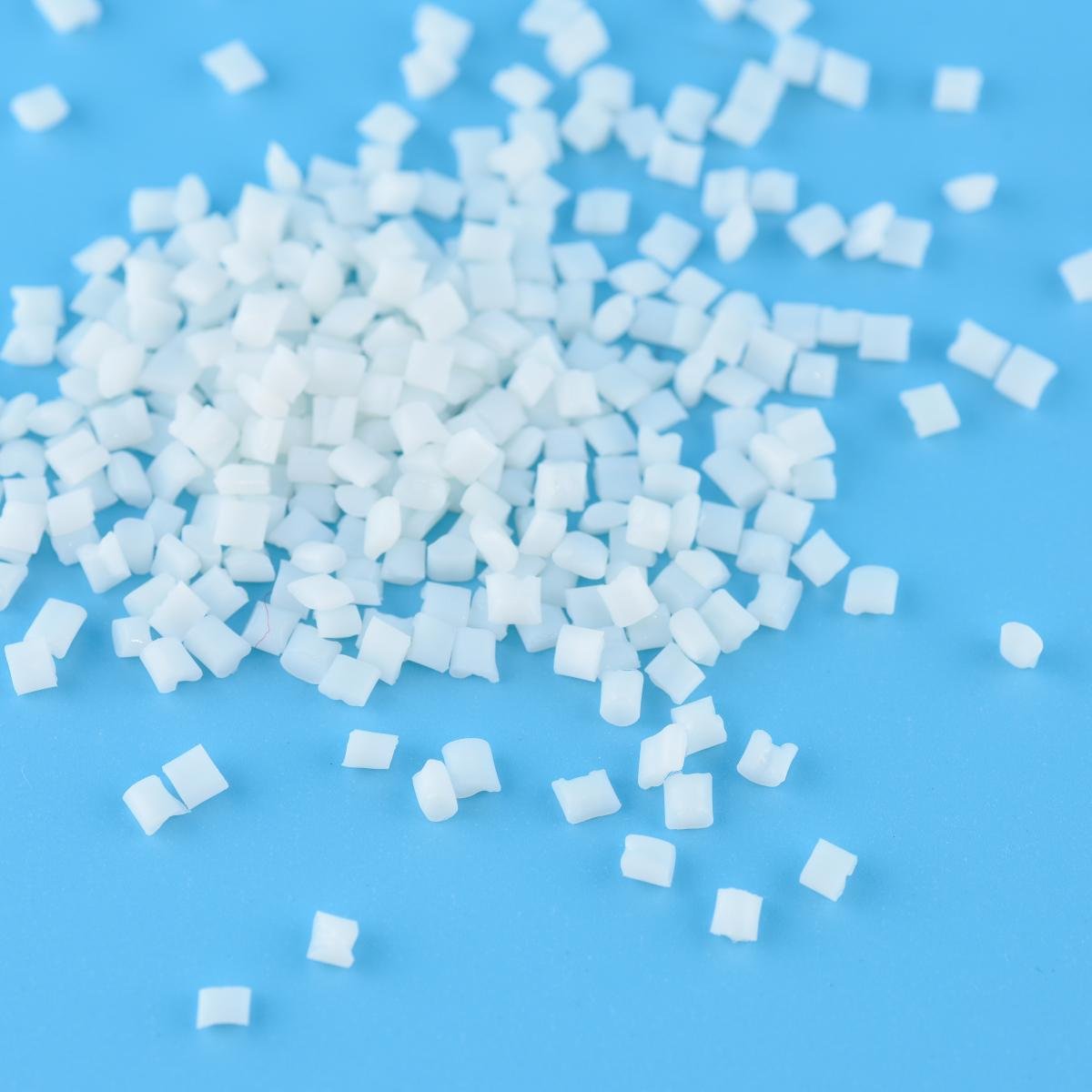
TPEE combines rubber elasticity with engineering-plastic strength — heat, chemical and fatigue resistance for demanding automotive and industrial parts.
Thermoplastic Polyester Elastomer consists of flexible polyester segments and high-performance hard segments, creating a unique combination of elasticity and engineering performance.
Compared with general thermoplastic elastomers, TPEE provides:
TPEE is widely used in applications where standard elastomers cannot meet demanding performance requirements.
TPEE maintains stable performance under repeated flexing and dynamic stress.
Benefits:
Typical applications:
TPEE provides better temperature resistance compared with many general elastomer materials.
Benefits:
Typical applications:
TPEE provides resistance against many oils, chemicals and environmental conditions.
Benefits:
Typical applications:
TPEE combines elastomer flexibility with engineering plastic strength.
Benefits:
TPEE can be processed using common thermoplastic technologies:
Different elastomers provide different performance advantages:
| Material | Main Advantages | Typical Applications |
|---|---|---|
| TPE | Soft touch and flexibility | Consumer products |
| TPU | Wear resistance and strength | Protective and industrial parts |
| TPV | Weather resistance and sealing | Automotive seals |
| TPEE | Heat resistance and fatigue performance | High-performance applications |
According to customer requirements, Fitpoly can provide:
Tell us your application and performance target — we’ll propose a matching grade, typical values and pricing within 24 hours.
We’ll reply within 6 business hours — always from an @fitpolymaterials.com address.