TPE vs Silicone: Which Elastomer Fits Your Part (and Budget)?
TPE vs silicone: one molds in seconds, the other survives 200 °C. Compare temperature, hardness, cycle time and cost before you specify a grade.

TPE vs silicone: one molds in seconds, the other survives 200 °C. Compare temperature, hardness, cycle time and cost before you specify a grade.
Flame retardant plastics: UL94 V-0 at 1.5 mm doesn’t guarantee V-0 at 0.8 mm. How to specify compounds without a failed test after the mold is cut.
TPE behaves like rubber but molds like plastic. What it is, how it compares
to thermoset rubber, and how to specify the grade your part needs.
Metal replacement with modified PA66, PP and PC/ABS cuts weight and cost — up to 40% lighter than aluminum or zinc.
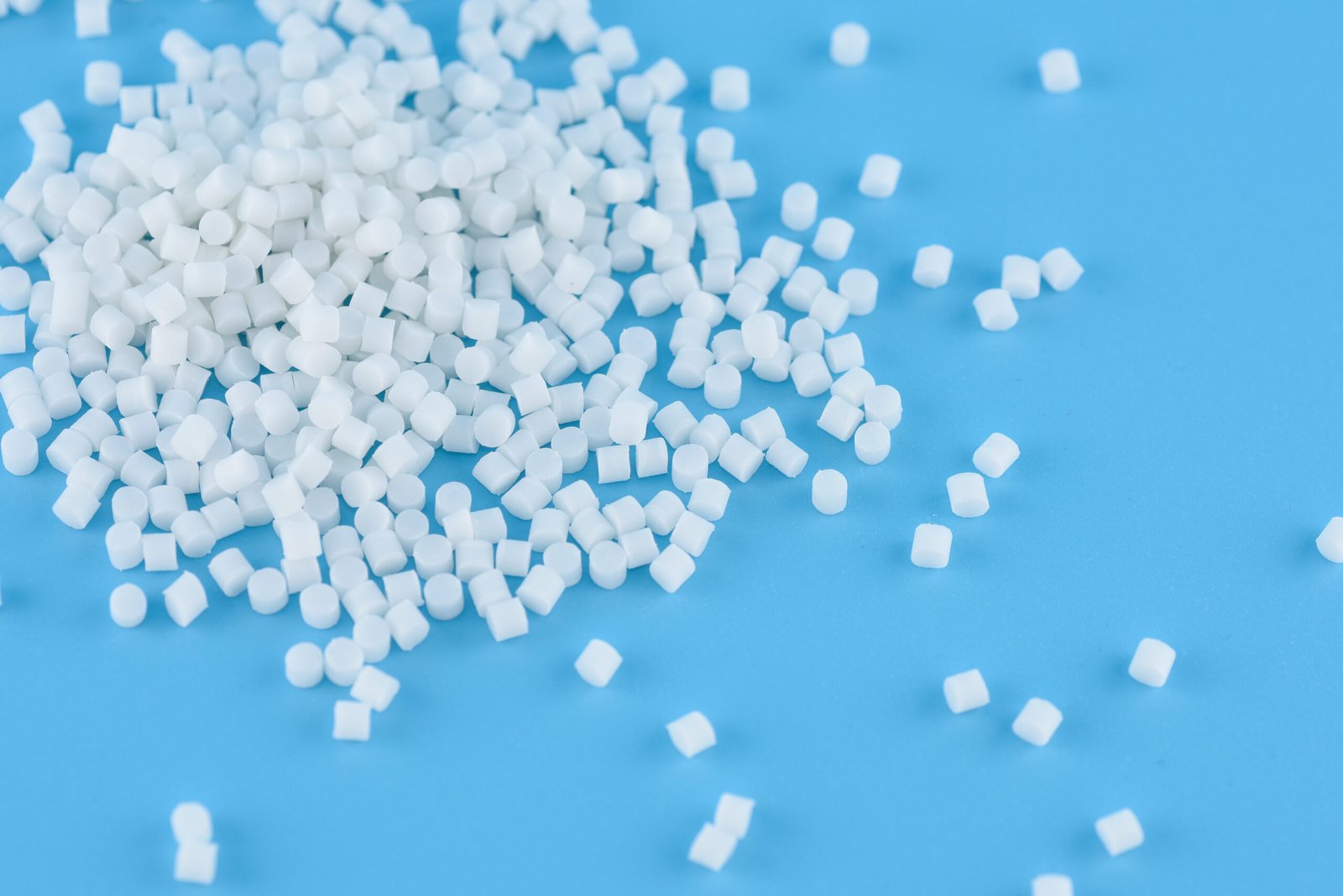
TPE overmolding: delamination is the most common failure — and it is usually decided before the mold is cut. What makes TPE and TPU bond to plastics.
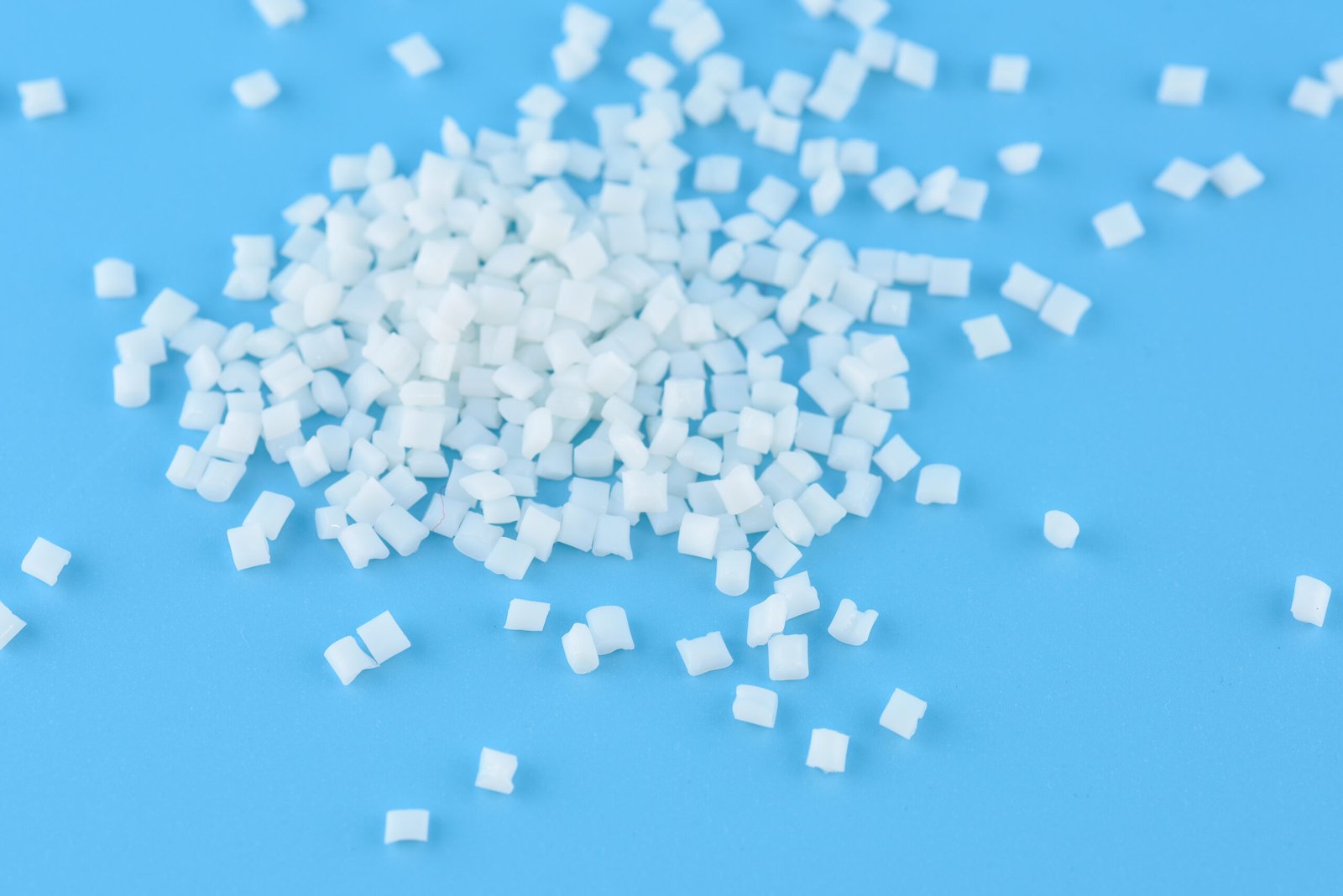
Custom modified plastics sourced direct from a Chinese factory cut cost and lead time — if consistency holds batch to batch. Four checks before you order.
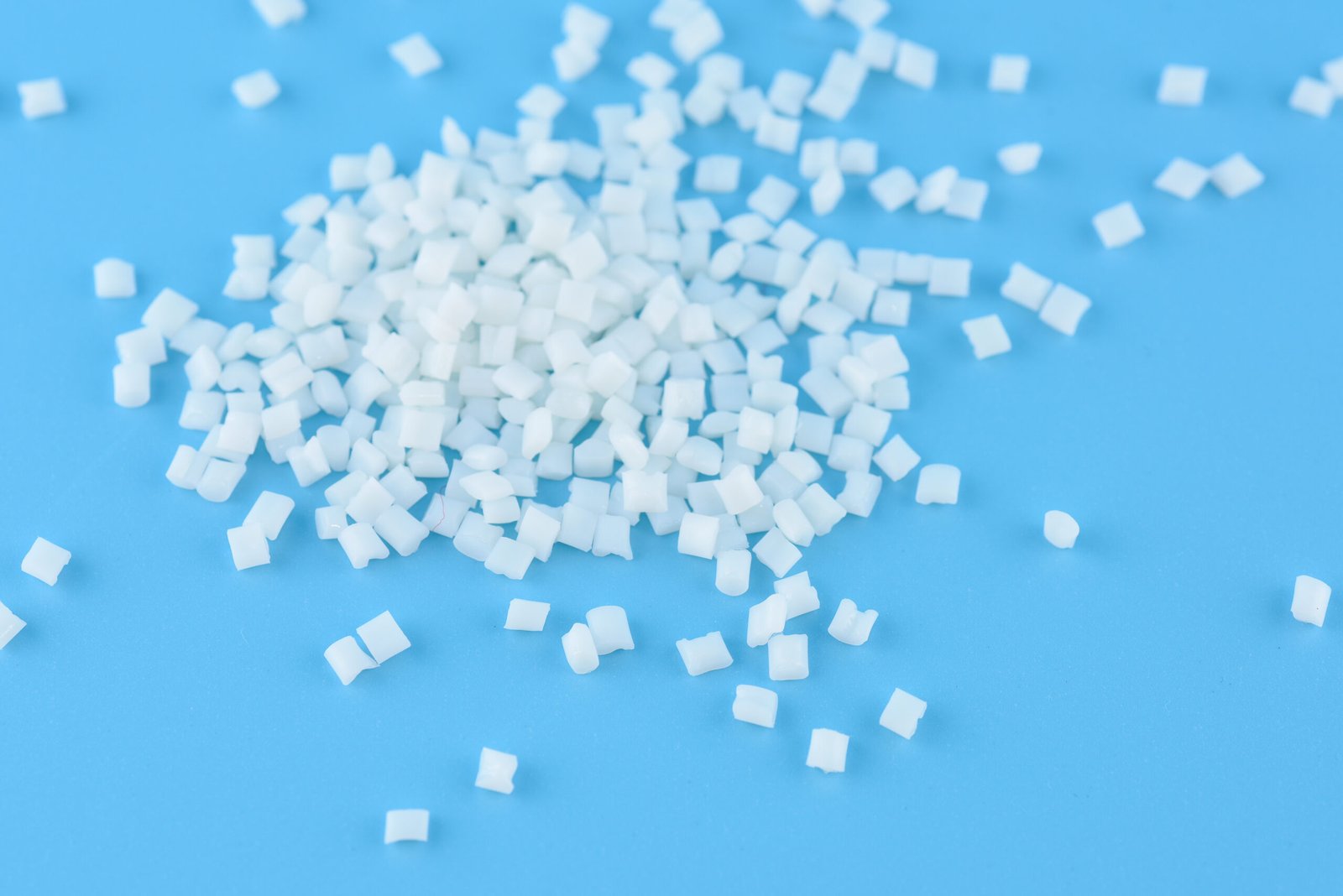
Soft elastomers are too weak for structural parts, rigid plastics too stiff. TPEE sits between them — plastic toughness with rubber elasticity.
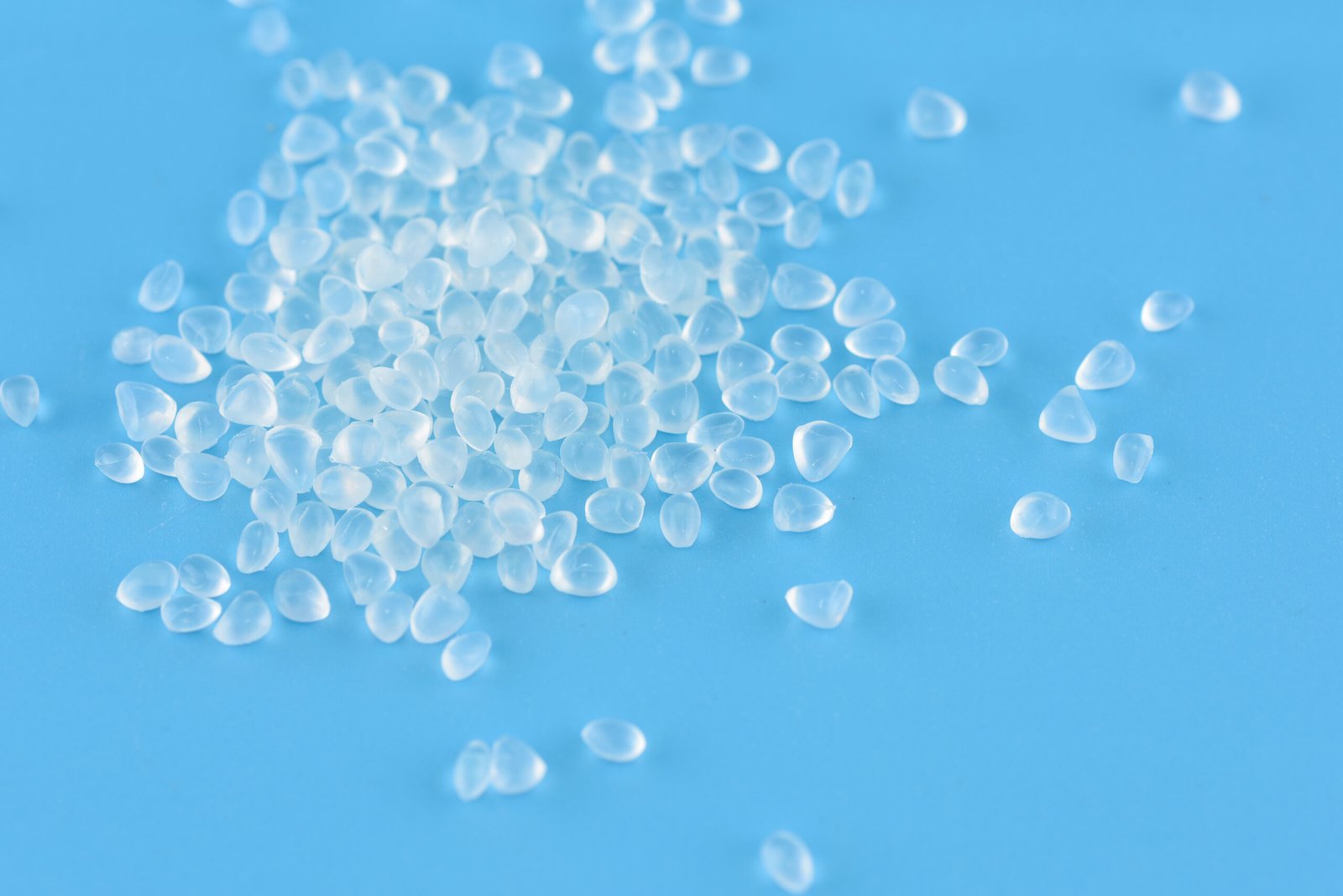
TPE, TPU and TPV all feel like rubber, but they fail differently — in heat, chemicals and repeated stress. How to pick the grade your part needs.