Choosing between TPE, TPU, and TPV comes down to one question: what does your part actually need to survive? If you need a soft-touch grip, handle, or overmolded seal where cost and colorability lead the requirements, TPE is usually the right starting point. If the part must shrug off abrasion, oil, and repeated flexing—wheels, cable jackets, footwear soles—TPU outperforms the other two. And if it has to stay sealed for years outdoors or under the hood against heat, weathering, and compression set, TPV is the material to specify. All three are thermoplastic elastomers, but they are not interchangeable, and the wrong pick usually shows up as a field failure rather than a line-side problem.
The practical way to choose is to rank your requirements—service temperature, mechanical load, chemical exposure, softness, and price—and match them against the strengths of each material. Here is how we walk engineers and buyers through that decision at the factory level.
What Are TPE, TPU, and TPV?
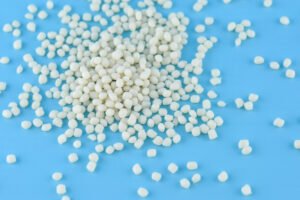
TPE (Thermoplastic Elastomer), as used in this comparison, refers to styrenic block copolymers (TPS), most commonly SEBS- or SBS-based compounds. TPE processes like a plastic—it can be injection molded, extruded, and overmolded—yet behaves like rubber at service temperature. Because it needs no vulcanization, it cycles fast, colors easily, and costs less than the other two.
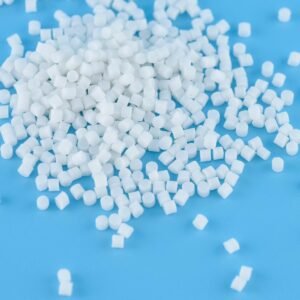
TPU (Thermoplastic Polyurethane) is a block copolymer of hard and soft segments. It offers the highest tensile strength, tear resistance, and abrasion resistance of the three, together with good oil and chemical resistance. Clear and translucent grades are available, but TPU is the most expensive of the group and is hard to compound below 60 Shore A without losing handling properties.
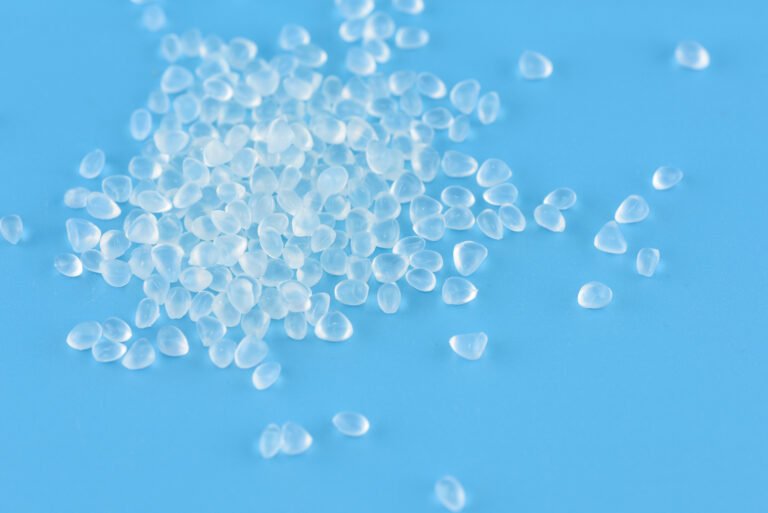
TPV (Thermoplastic Vulcanizate) is EPDM rubber that has been dynamically vulcanized and dispersed in a polypropylene matrix. The crosslinked rubber phase gives it rubber-like recovery—the best compression set and weathering resistance of the three—plus good fluid resistance and continuous heat resistance up to about 135 °C. The trade-off is limited transparency: TPV parts are almost always opaque.
How Do TPE, TPU, and TPV Compare Side by Side?
The table below summarizes the properties most engineers ask about first. Hardness is measured on the Shore scale per ASTM D2240, and service temperature refers to continuous use in air; short-term peaks can run higher.
| Property | TPE (TPS/SEBS) | TPU | TPV |
|---|---|---|---|
| Hardness (Shore) | 0A – 65D | 60A – 85D | 35A – 50D |
| Service temperature | −40 to 80 °C | −40 to 120 °C | −40 to 135 °C |
| Abrasion resistance | Fair–Good | Excellent | Good |
| Oil / chemical resistance | Moderate | Excellent | Good |
| Compression set resistance | Fair | Good | Excellent |
| Transparency | Good | Good (clear grades) | Limited (opaque) |
| Relative cost | Low | High | Medium–High |
| Typical uses | Grips, seals, toys, overmolding | Wheels, cables, footwear, tubing | Auto weatherstripping, HVAC seals |
Two rows deserve extra attention because they drive most material substitutions. First, compression set: TPV wins because its vulcanized EPDM phase springs back after long compression, which is why it holds gaskets and weatherstrips that must stay sealed for years. Second, softness at the low end: TPU bottoms out around 60 Shore A, so a part that has to feel soft or gel-like almost always starts with TPE, which runs down to Shore 0A. TPV spans 35A–50D, covering mid-soft durometers but not the ultra-soft range.
Which Thermoplastic Elastomer Should You Choose?
Pick TPE when softness, grip, color, and cost lead your requirements. Overmolded power-tool handles, closure seals, and children’s toys are the classic fits. TPE also bonds well to polypropylene and polyethylene, which makes it the workhorse for two-shot molding onto those substrates.
Pick TPU when the part sees abrasion, flexing, or oils. Caster wheels, industrial cable jackets, footwear soles, and pneumatic tubing justify the higher price because TPU’s wear and tear strength extends service life enough to offset the added material cost.
Pick TPV when the part must seal or flex for years under heat and weather. Automotive weatherstripping, door and window seals, and HVAC gaskets are the standard applications; TPV’s 135 °C continuous rating and low compression set are what keep these parts in tolerance through the warranty period.
If your requirements straddle categories—say you need TPU’s abrasion resistance at a softer durometer, or TPE’s cost with better oil resistance—talk to a compounder before committing. Most grades can be tuned by blending or custom compounding.
FAQ: TPE vs TPU vs TPV
What is the difference between TPE, TPU, and TPV?
TPE (TPS/SEBS) is a styrenic block copolymer that is soft, low-cost, and easy to color, but only moderately heat- and oil-resistant. TPU is a polyurethane block copolymer with the highest strength and abrasion resistance but the highest cost and a 60A–85D hardness floor. TPV is vulcanized EPDM in a polypropylene matrix with the best compression set and 135 °C heat resistance, but little transparency.
Which material is cheapest?
TPE is the most economical of the three and also the fastest to process, which lowers part cost on both the material and the molding side. TPU is the most expensive, and TPV sits in the middle—higher than TPE because of the extra vulcanization step, but often cheaper than TPU.
What hardness range can I get in each material?
TPE runs from about Shore 0A up to 65D, so it covers the softest end of the spectrum. TPU spans roughly 60A to 85D and cannot be compounded below 60A. TPV sits between 35A and 50D. If you need a soft, gel-like feel below 35A, TPE is the only option among the three.
Which material holds up best outdoors?
TPV, because its EPDM rubber phase resists UV, ozone, and weathering and carries a continuous rating up to 135 °C. It is the default for automotive weatherstripping and exterior seals. TPU can work outdoors with UV stabilizers, and SEBS-based TPE weathers better than SBS-based grades, but for long outdoor service life TPV is the safest specification.
Get a Grade Recommendation for Your Part
Material selection rarely comes down to a single property. If you have a drawing or a target spec—hardness, service temperature, and chemical environment are enough to start—send it to us and our engineers will recommend the right grade and durometer, with samples if you need them. Contact FitPoly to start the conversation.