Automotive seals
Weatherstrips, glass-run, encapsulation

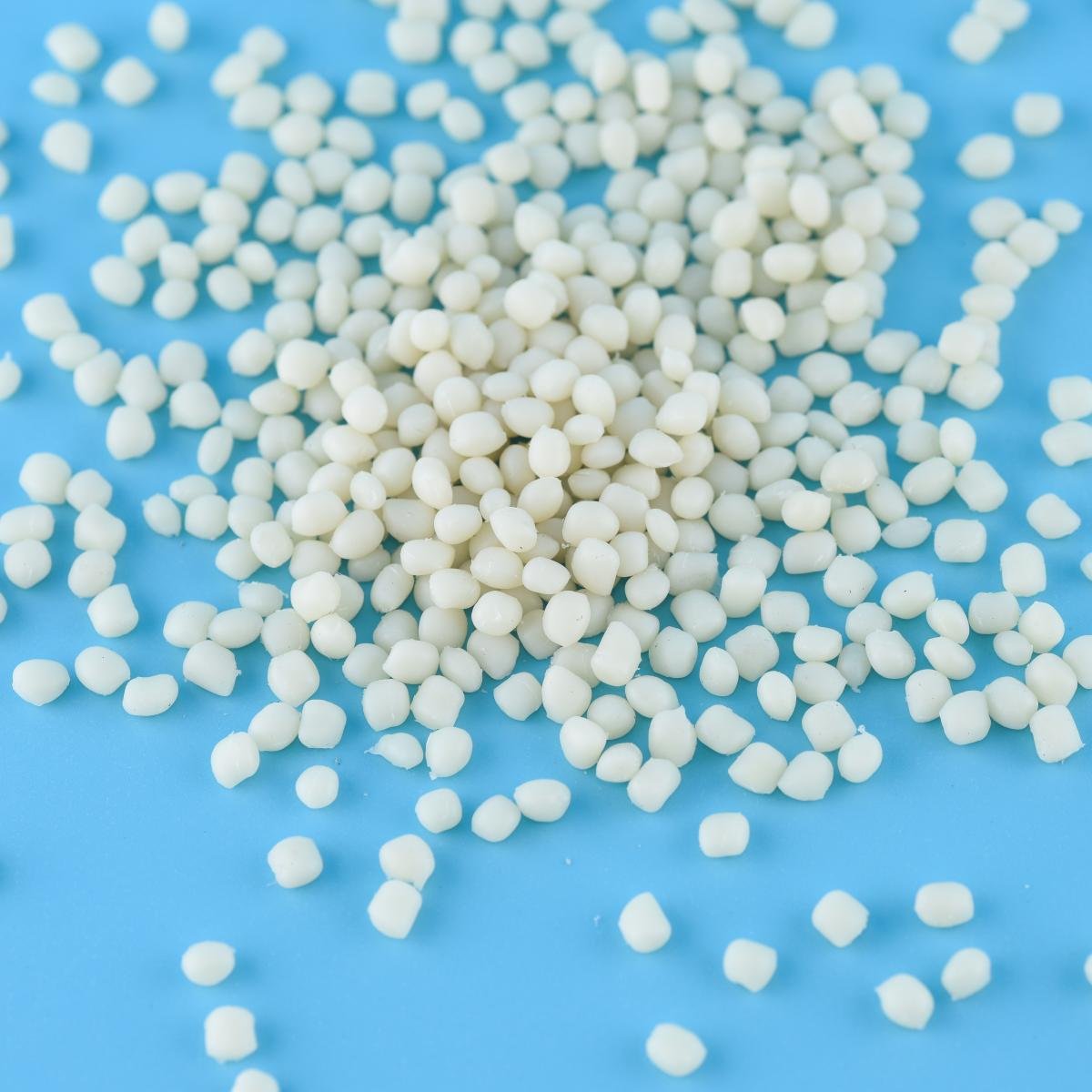
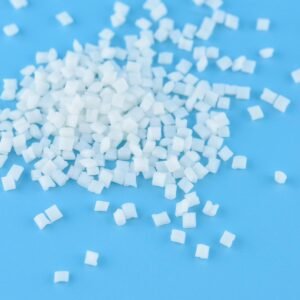
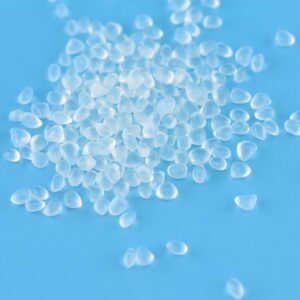
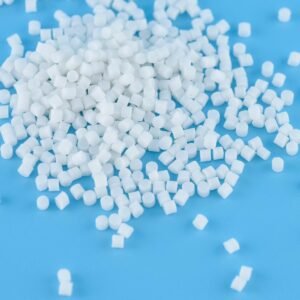
Weather-resistant TPV with low compression set — for automotive seals and parts that must stay flexible through years of outdoor exposure.
| Property | Unit | Typical range | Test method |
|---|---|---|---|
| Hardness (15 s) | Shore A | 35 – 90 (D 40–51) | ASTM D2240 / ISO 868 |
| Specific gravity | g/cm³ | 0.88 – 0.97 | ASTM D792 / ISO 1183 |
| Tensile strength | MPa | 3 – 15 | ASTM D412 / ISO 37 |
| Elongation at break | % | 100 – 600 | ASTM D412 / ISO 37 |
| Tear strength (Die C) | kN/m | 7 – 40 | ASTM D624 / ISO 34-1 |
| Compression set | % | 23 °C 10–35 · 70 °C 20–50 | ASTM D395B / ISO 815 |
| Service temperature | °C | −60 … +135 | short-term ~150 °C |
| Melt flow index | g/10 min | 0.5 – 50 | ASTM D1238 / ISO 1133 |
| Flame retardancy | UL94 | HB / V-0 @ 1.5 mm | UL94 / FMVSS 302 |
| Injection — melt temp | 175 – 230 °C | grade dependent |
|---|---|---|
| Drying | usually not required | low moisture absorption |
Typical values only — for reference. Final properties are confirmed against the technical data sheet or on request.
General-purpose injection grades for seals, grommets and soft-touch overmolding on PP/PE.
Extrusion-grade TPV with UV stability and low fogging for automotive and construction sealing profiles.
Low-density grades that cut part cost per kilogram — the lightest TPV option.
Specialty grades with UL94 V-0 or NSF 61 drinking-water certification.
Weatherstrips, glass-run, encapsulation
Steering, suspension covers
Wiring, panel pass-through
Window & door seals
Appliance seals, soft-touch
Hoses, protective boots
Grips, protective gear
Insulating grommets
Tell us your application and performance target — we’ll propose a matching grade, typical values and pricing within 24 hours.
We’ll reply within 6 business hours — always from an @fitpolymaterials.com address.